

Handover inspection (snagging) in Dubai: a practical checklist for buyers before accepting the keys of a new apartment or villa
This guide helps Dubai buyers conduct thorough snagging inspections before handover, documenting defects room-by-room, prioritizing repairs, and leveraging the defect liability period to ensure developer accountability and protect investment.

Most buyers in Dubai rush to accept keys without spotting hidden snags. Missing small defects means bigger headaches during the defect liability period. This practical Dubai snagging checklist walks you through every room, showing how to spot, document, and report issues before signing off. Follow this guide to turn a stressful handover into a confident, controlled inspection—and protect your investment from day one. For more detailed guidance, check out this helpful resource.
Room-by-Room Snagging Guide
Kitchen Inspection Essentials
Making sure your kitchen is flawless is key to a smooth handover. Start by checking all appliances and fixtures. Open every cabinet and drawer to ensure they align and close properly. Look for chips or scratches on the countertops and tiles, as these can lead to bigger issues later. Don’t forget to test all the electrical outlets and water connections.
Once you complete this, move to the lighting. Ensure all light fixtures are operational. A small flicker now might mean a bigger electrical problem later. Lastly, test the exhaust fan. This often-overlooked item is crucial for maintaining a fresh-smelling kitchen.
Bathroom Checklist for Defects
Bathrooms require a thorough inspection. Begin with the faucets and showers. Turn them on and off to confirm there are no leaks. Pay close attention to the water pressure and temperature. Next, inspect the tiles and grouting. Any visible cracks can lead to water leakage.
The toilet should flush properly and not have any leaks. Check the ventilation system, especially if it’s a windowless bathroom. Proper airflow prevents mold. Ensure that mirrors and fittings are secure. Doing this will save you from constant repairs.
Living Room and Bedrooms Focus
The living room and bedrooms are your comfort zones. Inspect walls and ceilings for any cracks or paint issues. Open and close all windows and doors to ensure they operate smoothly. Look for gaps or damages that can let in dust or drafts.
In the bedroom, check wardrobe fittings. Hinges should be secure and shelves aligned. Test all electrical outlets and switches. A faulty switch now means inconvenience later. Lastly, ensure that the flooring is even, without any loose tiles or boards.
Documenting and Organizing Defects
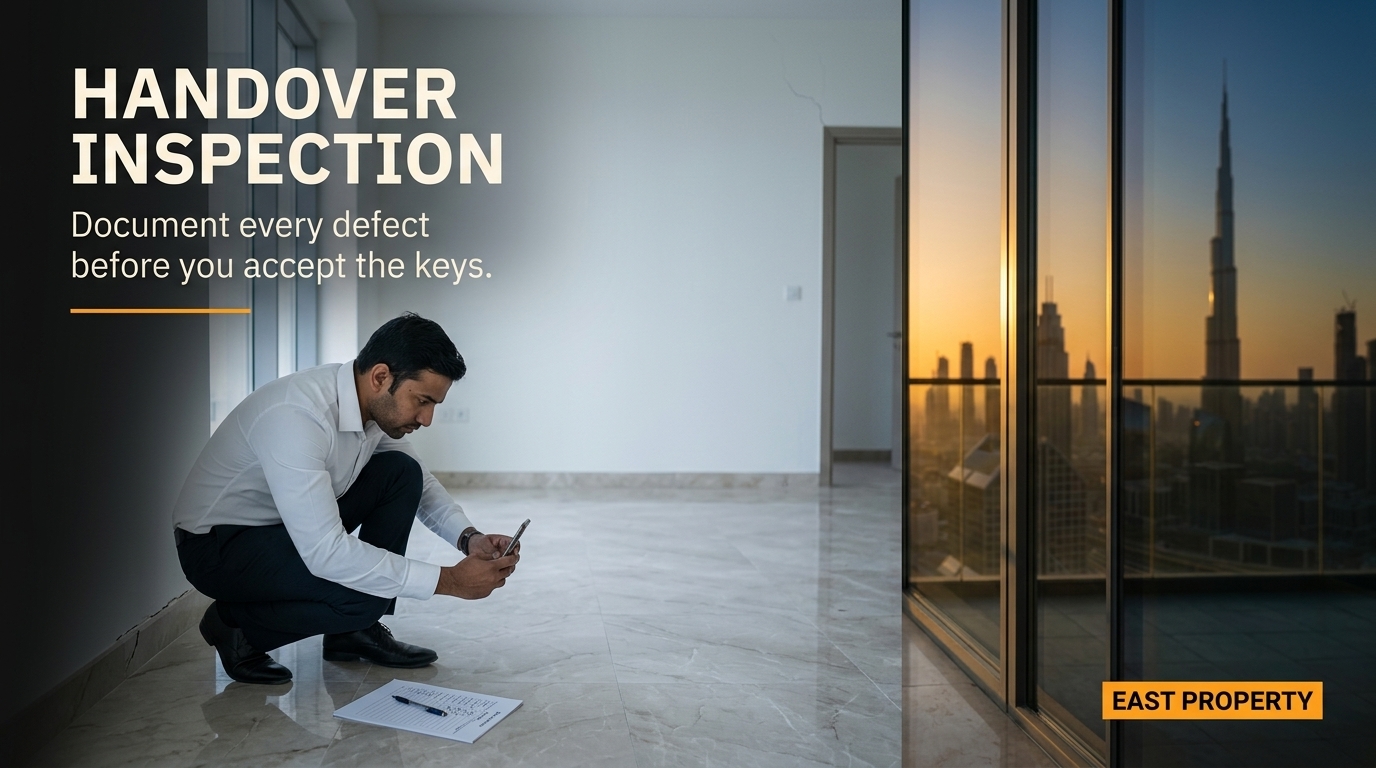
Effective Photography Techniques
Capturing the defects clearly is vital. Use a high-resolution camera or a smartphone with good quality. For small issues, like a crack or chip, take close-up shots. For larger problems, like uneven floors, take a wider angle to show the full extent.
Use a consistent method. Start from one corner of the room and work clockwise. This ensures you won’t miss anything. Label each photo with the room and specific defect. This organization helps when you discuss these with the developer.
Creating a Comprehensive Snag List
After photographing, create a snag list. List each issue systematically: room by room. Include detailed descriptions and cross-reference them with your photos. This makes it easier for the developer to understand and address each problem.
A good snag list is specific. Instead of writing “issues with windows,” specify “living room window does not close properly.” This prevents miscommunication and speeds up the resolution process.
Prioritizing Issues for Resolution
Some issues need immediate attention. Prioritize these on your snag list. Major electrical or plumbing problems should top your list. Cosmetic issues, while still important, can be addressed later.
Once you’ve prioritized, discuss the list with your developer. Set a timeline for resolution. This holds them accountable and ensures your home is ready on time.
Navigating the Defect Liability Period
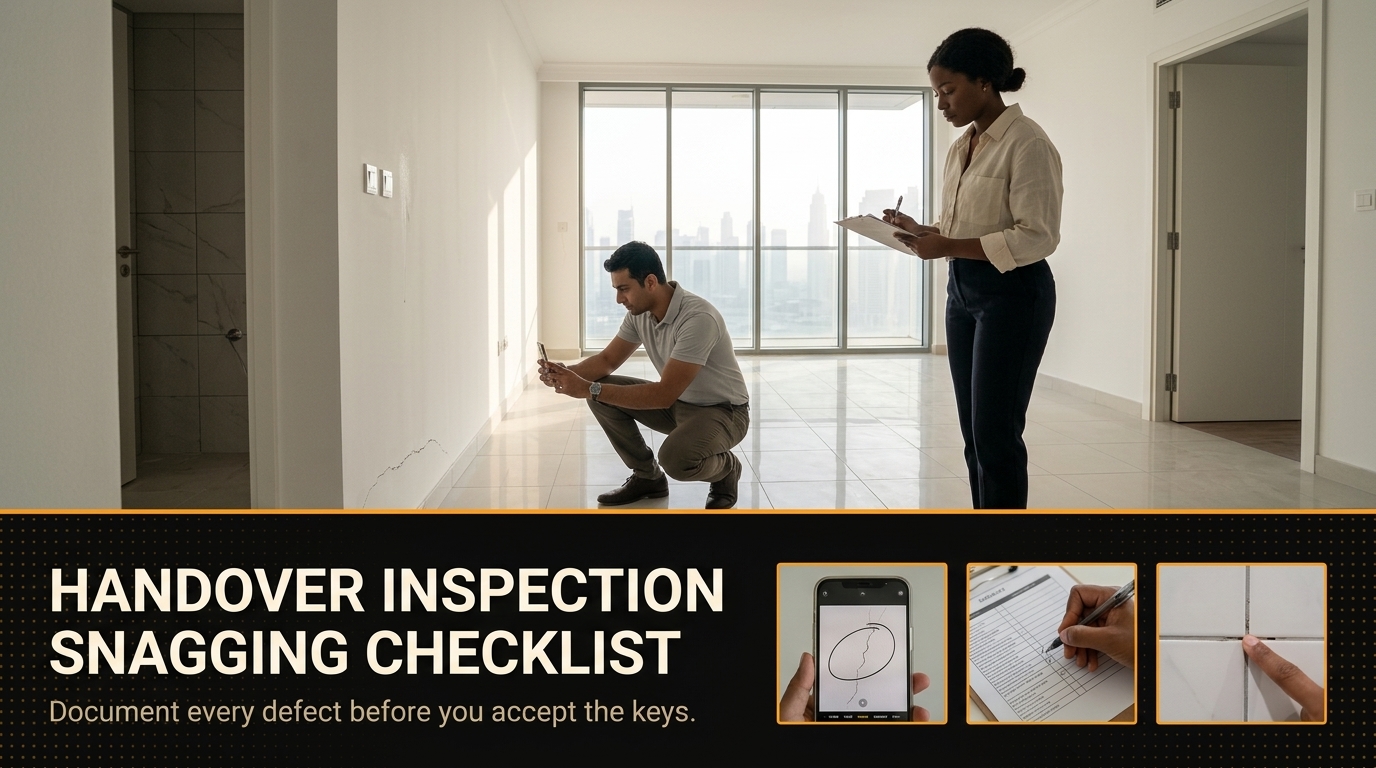
Understanding Developer Accountability
Developers have responsibilities during the defect liability period. They must address all documented issues. Knowing this empowers you when discussing repairs. Refer to your snag list and the documented defects for clarity.
If you’re unsure about your rights, reviewing resources like this article can offer guidance. It helps to understand what developers are obligated to fix.
Tips for Following Up on Repairs
Staying proactive ensures repairs are completed. Regularly contact your developer about progress. Keep a record of all communications for reference. It’s your investment, and you’re entitled to a timely resolution.
Set reminders for follow-up. If repairs lag, a gentle nudge often speeds things up. Developers work with many clients, so your persistence pays off. Always maintain a polite, but firm, tone.
Leveraging the DLP for Long-Term Benefits
The defect liability period is your safety net. Use it to ensure long-term comfort. Address even minor issues now, as they can escalate if ignored. Proper maintenance during this time saves future hassle.
Develop a maintenance schedule for post-DLP. This keeps your property in optimal condition. Regular upkeep prevents unexpected issues, preserving the value of your investment.
Frequently Asked Questions
What is a snagging list in Dubai?
A snagging list is a detailed document that outlines defects or issues found in a new property before the handover. It includes descriptions and photos of each issue, helping ensure they are addressed by the developer.
Why is the defect liability period important?
The defect liability period is crucial as it holds the developer accountable for fixing any defects found after moving in. It ensures that your property remains in good condition without additional costs to you.
How do I ensure effective communication with my developer?
Document all defects clearly, maintain regular contact, and keep records of all interactions. Being organized and proactive helps in getting timely resolutions from your developer.



 Bookmark your favorites
 Get updates about new listings